In the culture of the peoples have also rooted rituals of the traditional religions. Some of them have become so popular that they have finished becoming festivals of great tourist attraction. The Osogbo Festival of Ousun is a clear example of this. The tribe of the Yoruba in Nigeria worships the 401 gods, called Orishas, who joined with spirituality and nature. Among the gods Orishas are the most important as: Elegua, Oggún, Oshosi, Obatala, Yemaya, Oshun, Shango, Oya, Orunmila and Olofin. Due to the slavery of black Africans in Cuba makes remote times, they brought the religion to Brazil where it is known as candomblé, Haiti where is called Voodoo-Voodoun and Jamaica where he receives the name of Obeah. As already mentioned the Yoruba religion has its roots in countries like Brazil, Haiti, Jamaica and especially Cuba, where it is mixed with depth with the culture of its inhabitants. 500 Years ago, to be precise since 1615, the Orishas already belong to the culture of Cuba, they are double-sex and have human characteristics as others; they fight, they are jealous, sad or talkative. The Yoruba culture is kept alive by their colorful and extravagant costumes, in addition to dances and songs, rhythms and trance possessions which are the means through which interacts with the orishas, in that way the Yoruba get the gods to influence in their daily lives to be guided toward a deeper and more complete during his existence in this world.
In all countries of the world there are celebrations, or characteristic festivals that highlight his people, his people, their customs and traditions. This is the exception and Nigeria shines through one of the great celebrations of Nigerians, is the festival of Sallah celebrated once Ramadan ends. Then, after 69 days gives way to the celebration of the Tabaski, these dates vary depending on the period of Islamic fasting but usually in late January or early February. Another festival, which is of less importance than the previous two, and that perhaps is because it was created in 2008 but not why not you can enjoy in the same way as the previous ones, since in addition to being an art with fans around the world, there are in Nigeria and leverage what provides them the Festival of fishing and Argungu culture mixed with the show, which is held on the banks of the River Sokoto to mid or late February. This feast is characterised by the competencies that are performed at the festival as Championships in boxing, traditional wrestling, choice of the farmer of the year, racing camels and donkeys, ducks hunting, but no doubt more impressive competition is offered this unique battle to get the largest one hour fish.
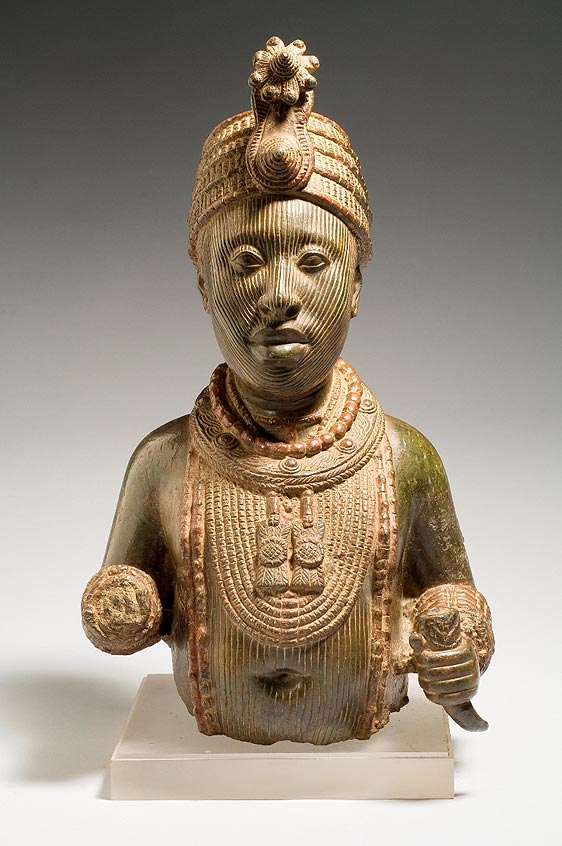
Nigerians throughout the year are in contact with tourists from all over the world, they offer a wide range of customs and traditions and beautiful places to visit, for example there is the island of Lagos which has a commercial and administrative centre which is located in the heart of the city, joined to the Mainland via two bridges. Unfortunately Lakes is considered one of the cities most expensive in the world. But there are also other options such as Ikoyi and Victoria which are connected with the Islands, and both are reflected with residential areas and beautiful gardens. The National Museum at Onikan on Lagos Island houses numerous exhibitions of the old Nigeria and has a centre of craftsmanship that is sold with fixed prices. In the Jankara market on Lagos Island tourists may negotiate to buy locally dyed cotton and assorted leather goods. Ibadan is famous for the University and the market, which is also one of the largest in Nigeria. The traditional village of Oyo has some Portuguese colonial style houses and should be noted that it was the capital of the old Yoruba Empire. Oshogbo is the Centre of the internationally renowned School of Oshogbo art, House of the polls and Grove of Oshun, the Yoruba of fertility goddess. The famous Oshun shrineis can be visited there. The Oshun is held weekends of August each year. Ile-Ife, the ancient name of the town of Ife, is the cradle of Yoruba culture, and includes the Ife Museum, which has many bronzes and carved terracotta dated before the 13th century. It is an important batik.
Characteristics of each country, town or city meals is what makes it more interesting to their tenants, and at the same time marked a great difference regarding the tastes that lead to foremothers traditions of their ancestors which are kept in force to continue with that union that never will be lost and will continue generations after generations until today. This is why and much more than the most typical dish of the Nigerian kitchen is the soup's pepper which is a spicy sauce bathing three dams of fish or beef or goat. It is accompanied by rice or other grains, like gari or eba. A typical aperitif is the dodo, which are pieces of fried banana. The places where we serve varied appetizers like fried chicken or fish cakes abound in the Nigerian cities. Rural areas of the North are characterized by magnificent yogurts made by fulani women; These are usually served in a bowl of pumpkin and it can be mixed with ground millet balls. As a Council, the water must be taken always bottled.